Source Waterproof Cream Makeup Concealer for Daily, Party, Wedding
Compare 30 waterproof cream makeup concealer options from verified Chinese manufacturers. Buyers can evaluate features like oil control, coverage, and customization while reviewing prices, MOQs, and certifications for face base makeup needs; compare the available evidence and request quotations based on your requirements.
Key considerations
Products List




Comprehensive Sourcing Guide
Waterproof Cream Makeup Concealer Sourcing Guide
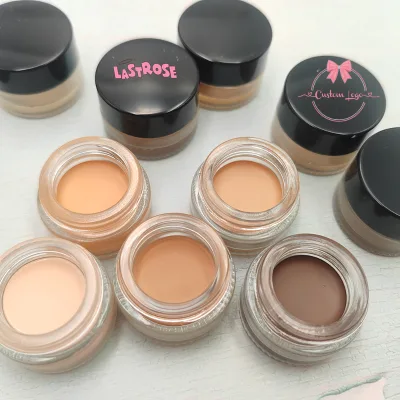
Buyers must first distinguish between liquid and cream formulations when sourcing waterproof concealers, as the supplied data indicates both forms are available from different manufacturers. The observed product attributes reveal a specific focus on cream-based products with matte finishes, designed for oil control and long-wearing coverage. This distinction is critical because the application method and final finish differ significantly between the two textures, affecting how the product performs on various skin types throughout the day.
Procurement teams should verify the specific functional claims against the actual product form, noting that while some listings emphasize liquid properties like brightening, others highlight cream-specific benefits such as heavy coverage and sun protection. The presence of multiple color options, ranging from single shades to extensive palettes, suggests that buyers need to assess inventory depth before committing to large orders. Understanding these formulation differences ensures the selected product aligns with the intended market segment, whether it targets daily wear or specialized event makeup needs.
Product Scope and Observed Listing Signals
The market data indicates a wide variance in product specifications, with net weights ranging from 4 grams to 35 milliliters depending on the specific model and packaging type. Buyers should carefully review the listed standard weights, as a 4-gram unit typically represents a travel-sized or sample product, whereas a 35-milliliter container suggests a full-size professional or retail offering. This variation directly impacts the unit economics and the perceived value proposition for the end consumer, requiring precise alignment with the target retail price point.
Observations show that packaging materials are predominantly plastic, often housed within paper or color boxes, which influences both the perceived quality and the logistics of shipping. The availability of customization services, including private logos and custom packaging, allows brands to differentiate their offerings in a crowded marketplace. However, buyers must confirm that the customization options do not compromise the structural integrity of the packaging or the stability of the cream formula during transit, especially given the diverse range of shelf life claims observed in the listings.
Technical Specifications to Verify
When evaluating technical performance, the primary focus should be on the waterproof and oil-control capabilities, which are frequently cited as key features for these concealers. Buyers need to request specific test data or batch samples to validate claims regarding long-wearing properties and the ability to cover imperfections without caking or fading. The presence of sunscreen functions in some listings adds a layer of complexity, requiring verification that the UV protection does not interfere with the color stability or texture of the cream base.
Shelf life and PAO (Period After Opening) data vary significantly across the observed listings, with some products claiming up to three years of stability while others list shorter durations. It is essential to confirm the specific storage conditions required to maintain these shelf lives, as improper storage can degrade the emulsion and compromise the waterproof seal. Additionally, the finish type, such as matte, should be verified against the intended skin type, ensuring the product delivers the desired look without causing excessive dryness or greasiness for the target demographic.
Compliance and Safety Documentation
Regulatory compliance is a non-negotiable aspect of sourcing, with the observed listings frequently citing certifications such as GMPC, ISO, GMP, and MSDS. Buyers must ensure that the supplier provides valid, up-to-date certificates for each specific batch or production line, as these documents verify adherence to Good Manufacturing Practices and safety standards. The presence of FDA certification in some records suggests potential access to the US market, but this should be cross-referenced with local regulatory requirements to avoid compliance gaps.
Safety data sheets (MSDS) are critical for understanding the chemical composition and handling requirements of the product, particularly for ingredients like minerals and other active components. Procurement teams should verify that the ingredient lists are transparent and that the product has undergone necessary safety assessments for the intended skin types, including sensitive skin variations. Relying solely on the presence of a certification label without reviewing the underlying documentation can lead to significant risks regarding product safety and regulatory rejection in key markets.
Cost Drivers and Commercial Terms
The observed price range of 0.48 to 3.8 USD reflects significant differences in formulation complexity, packaging quality, and order volume. Buyers should analyze how the MOQ, which ranges from 3 to 12,000 units, impacts the final landed cost, as higher volumes often unlock better pricing tiers but require greater capital commitment. Understanding the cost structure is vital for determining the optimal order quantity that balances inventory risk with margin potential, especially when dealing with customizable options that may incur additional setup fees.
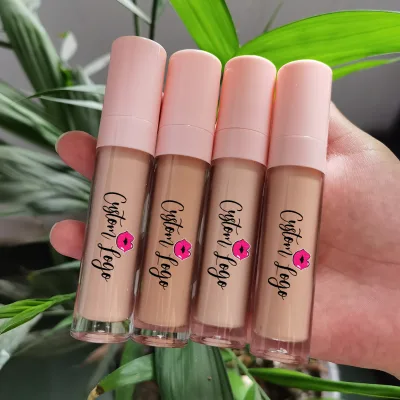
Customization services, such as silk screen printing or hot stamping for logos, introduce variable costs that must be factored into the total procurement budget. These value-added services can enhance brand identity but may extend lead times and increase the per-unit cost. Buyers need to negotiate clear terms regarding the cost of molds, setup fees, and the minimum order quantities required to justify these customizations, ensuring that the final product remains competitive in the target market while maintaining healthy profit margins.
Supplier Qualification and Quality Control
Supplier qualification should prioritize manufacturers located in established production hubs like Guangdong, China, where the supply chain infrastructure supports high-volume cosmetic manufacturing. Buyers must verify the supplier's capacity to maintain consistent quality across large batches, given the observed variation in product models and specifications. A robust quality control system is essential to ensure that every unit meets the specified standards for weight, color accuracy, and functional performance before shipment.
Quality control protocols should include rigorous testing for waterproofing, color stability, and packaging integrity, particularly for products intended for daily wear or special events. Buyers should request pre-shipment inspections and third-party testing reports to validate that the products meet the claimed specifications and safety standards. Establishing a clear communication channel for addressing quality issues and defining acceptable defect rates is crucial for maintaining a reliable supply chain and protecting the brand's reputation in the competitive makeup market.
Long-Term Procurement Checks
Sustaining a successful partnership requires regular audits of the supplier's production capabilities and adherence to evolving regulatory standards. Buyers should schedule periodic reviews to ensure that the supplier continues to meet the required certifications and that their manufacturing processes have not drifted from the agreed-upon quality benchmarks. This proactive approach helps identify potential issues early, allowing for timely corrective actions before they impact the supply chain or product availability.
Market dynamics and consumer preferences for waterproof concealers are constantly shifting, necessitating a flexible procurement strategy that can adapt to new trends and formulations. Buyers should maintain open dialogue with suppliers regarding upcoming product innovations, such as new color palettes or enhanced functional benefits like improved moisturization. By staying informed about industry developments and maintaining a diverse supplier base, buyers can ensure a steady supply of high-quality products that meet the changing demands of their customers.
FAQs
What certifications are available for waterproof cream makeup concealer?
Products typically hold GMPC, ISO, MSDS, and GMP certifications. Some listings also include FDA compliance. These standards ensure manufacturing quality and safety for international trade. Buyers should verify specific documents with suppliers before ordering to confirm regulatory alignment for their target markets.
Can I customize the packaging for this concealer product?
Yes, customization is available for private branding. Options include silk screen printing, hot stamping, and custom color boxes. Suppliers offer services for logo application and packaging design. This allows brands to create unique identities while maintaining the core product quality and waterproof features for daily or party use.
What is the typical shelf life for this concealer?
The shelf life generally ranges from 2 to 3 years. Some specific models list a 36-month duration. After opening, the product should be used within 12 months. Proper storage conditions help maintain the waterproof and oil-control properties throughout the stated period for optimal performance.
Which specifications are offered for the concealer models?
Models include F-24, f-13, JN24089-5, JN23017, and SM-MP-544. Net weights vary, with standards like 4g, 6g, 5g, and 35ml. Some palettes offer 6 colors. Buyers can select based on required volume and format, ensuring the product fits their specific makeup line requirements.
What is the minimum order quantity for these products?
MOQs range from 3 to 12,000 units depending on the supplier and customization level. Standard items may have lower thresholds, while custom packaging often requires higher volumes. Buyers should confirm exact MOQs with vendors to align with their inventory needs and budget constraints for bulk procurement.
Where are these concealer products manufactured?
Products originate from China, specifically Guangdong province. This region is known for cosmetic manufacturing capabilities. Buyers can source directly from these locations to leverage established supply chains. Origin details help in calculating logistics costs and understanding regional manufacturing standards for quality assurance.